
Key Ideas
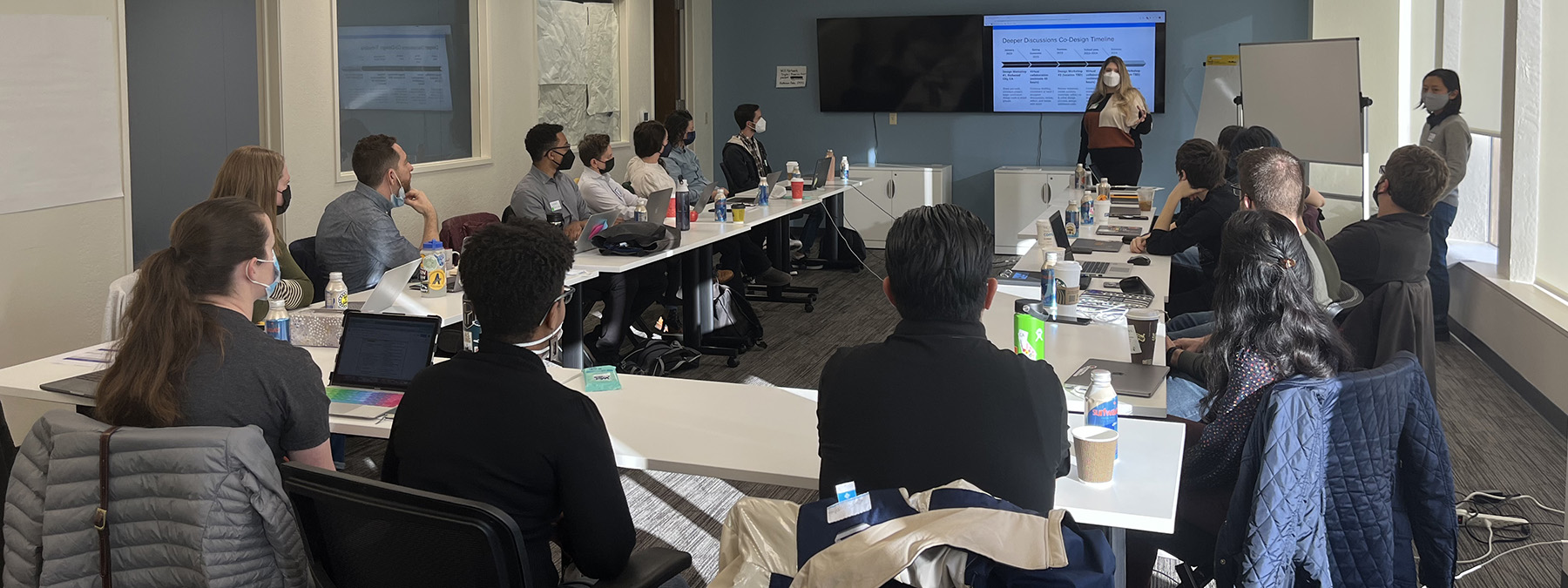
- We hosted the first convening for our Deeper Discussions teacher cohort with members traveling in from eight different states, representing three time zones.
- Each member involved in our teacher cohort has the opportunity to contribute meaningfully to this unique curriculum design project.
- Meaningful classroom discussions give students agency and improved critical thinking skills.
With increasing numbers of students interested in current events, how do world history teachers engage students in classroom discussions about events that happened 200 or even thousands of years ago? Educators know that there is a connection between humans of the past and the students today, but how can they encourage their students to dive deeper into the events of times gone by and help them find the significance to their own lives?
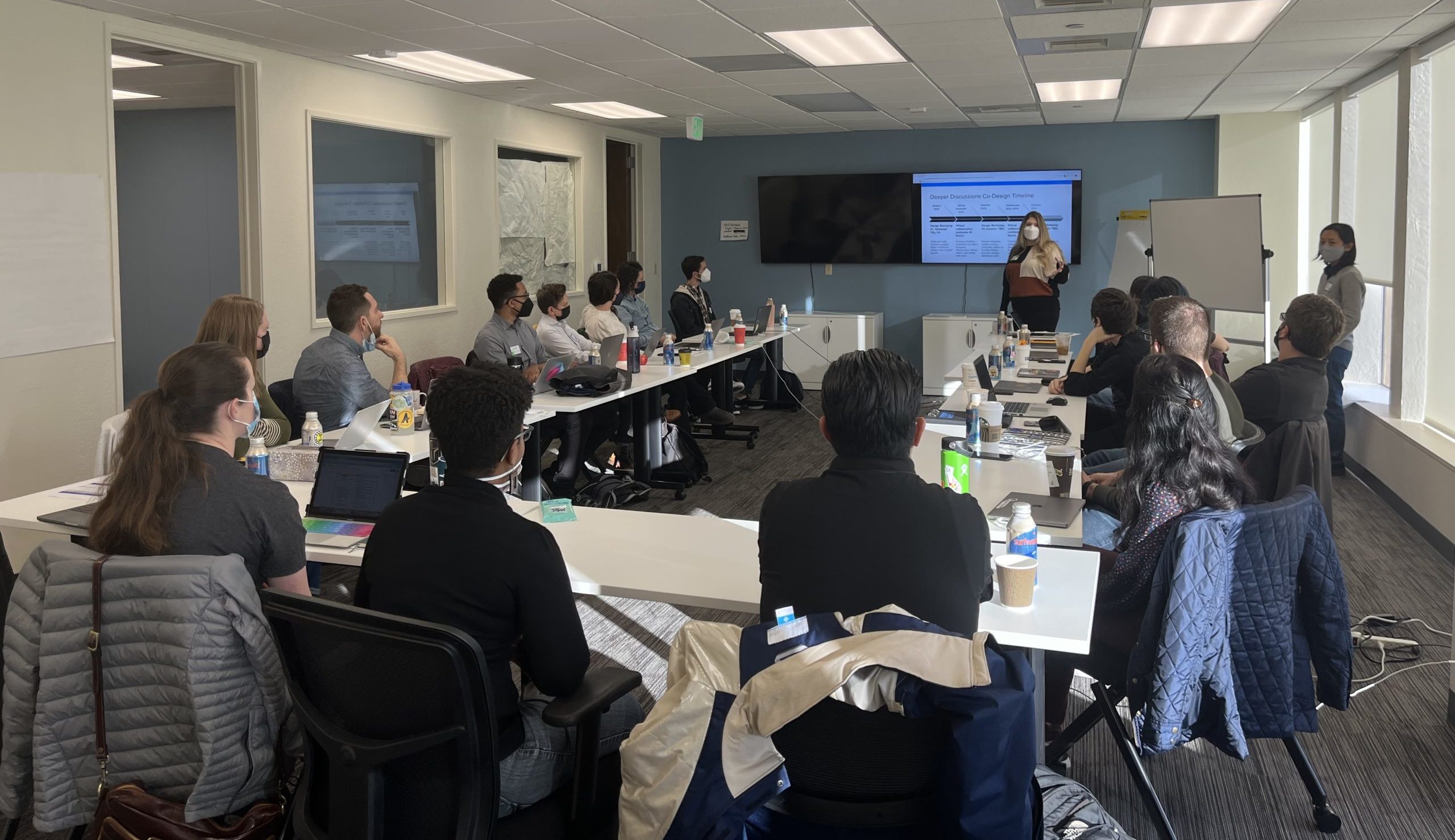
As the seventh project ever funded under the Institute of Education Sciences’(IES) Civics Education and Social Studies programs, the Deeper Discussions in World History initiative knows the significance of our curriculum design project. Due to the lack of research in social studies projects in recent years, we are in uncharted waters. We have a deeply ingrained “why” that motivates us to support historically and systematically excluded students to: engage in meaningful discussions in world history, enjoy the learning process, and improve their historical thinking skills. Since we’re one of the few doing work in this space at the moment, we recognize the importance of doing this work collaboratively and each member of our teacher cohort has the opportunity to contribute meaningfully.
Our First Educator Convening
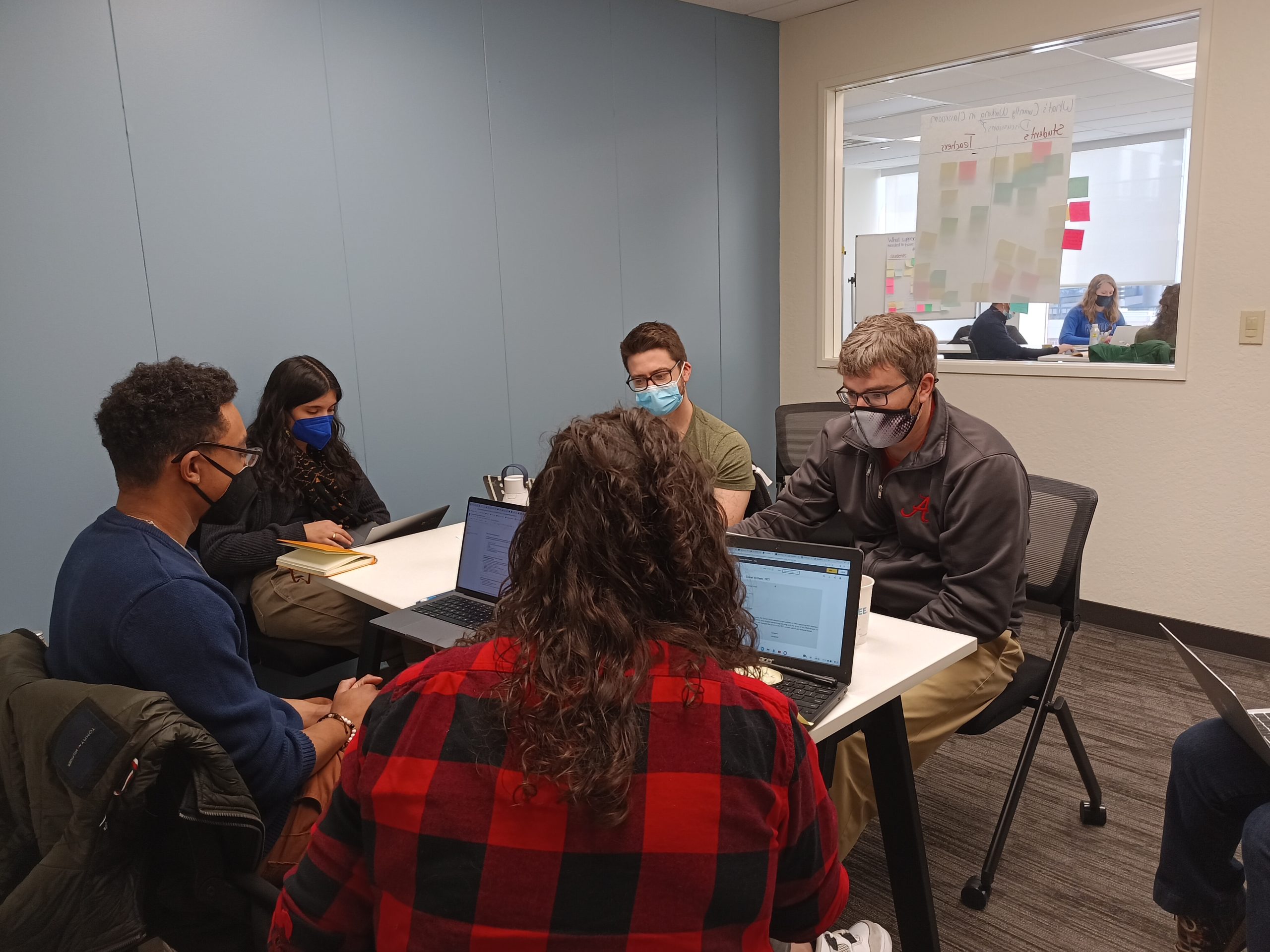
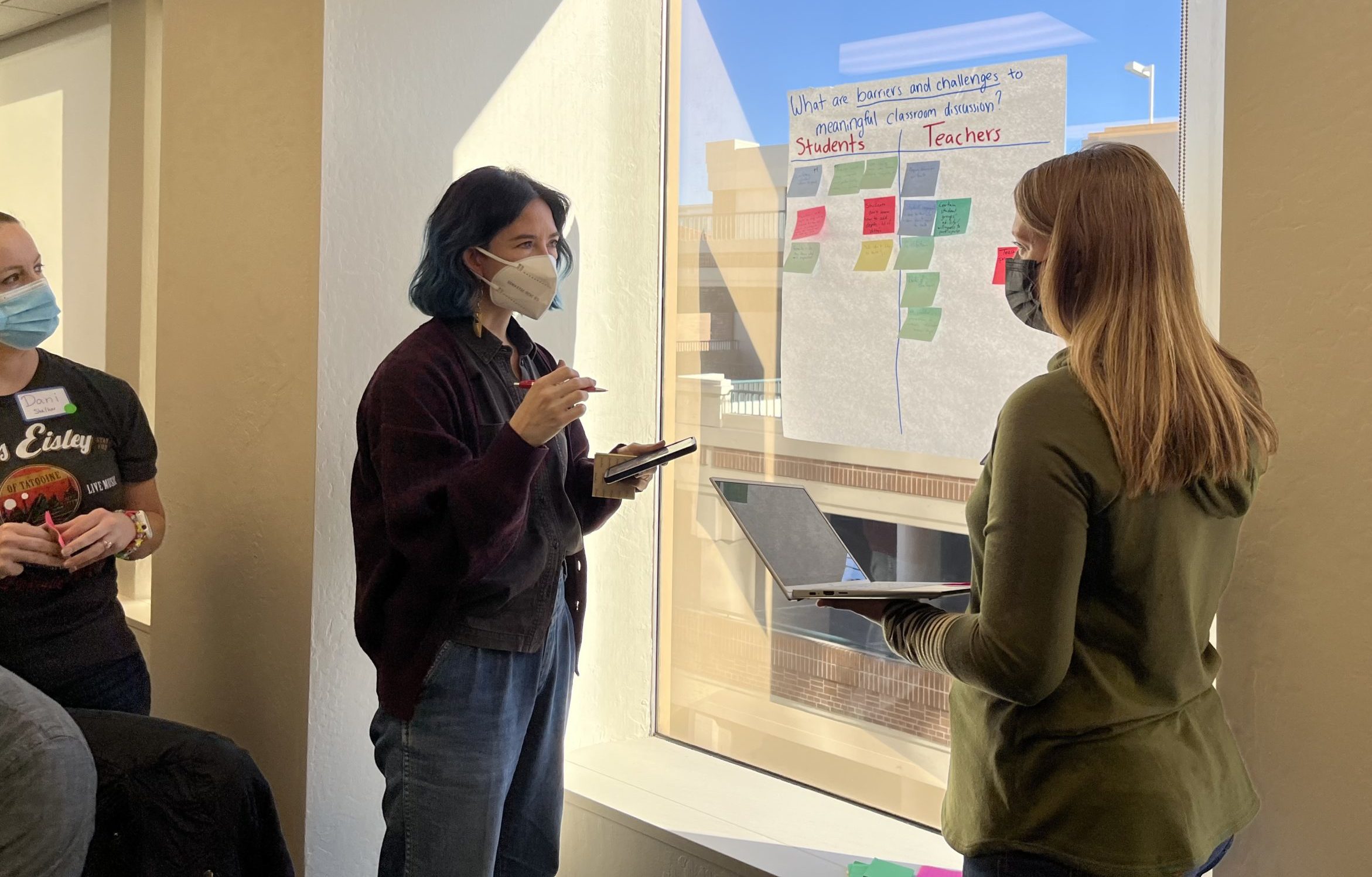
In January 2023, we hosted the first convening for our Deeper Discussions teacher cohort. These educators traveled from eight different states, representing three time zones and various state-level political landscapes. What they each have in common is a school student population of over 50% of students who are economically disadvantaged and students of color. Over the next few years, this cohort of teachers will draft and pilot new curricular resources in their classrooms, in order to ultimately produce a suite of open-access materials that help world history teachers facilitate productive student discussions in their classrooms. During our time together, we had the opportunity to begin discussions on crucial questions to this work, such as:
- What makes a question discussable?
- How do we facilitate discussions that orient students to each other and to the text?
- How can we help students connect the past and present?
As we thought through these questions, we remembered the reason why the group was gathered. Each teacher’s insights demonstrated that this work is not possible without educators. Their partnership is invaluable not only to gain insights directly from students, but also to have a direct line of contact with the people conducting these deeper discussions in their classrooms.
How Partnerships Amplify Outreach
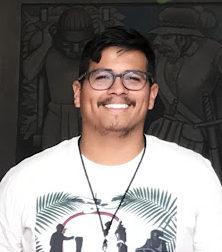
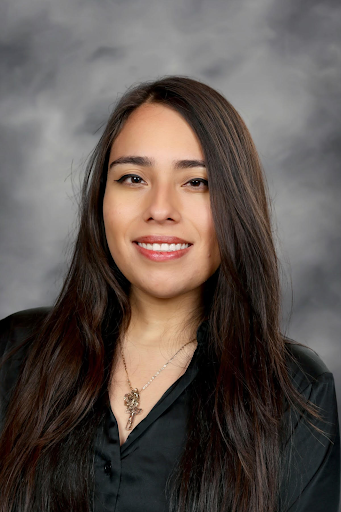
We look forward to continuing sharing the impact of our teacher cohort throughout the next few years of this project. Below, a few of the teachers share their sentiments about why they’re involved in this work:

If you’re interested in following and supporting the project’s journey, sign up via our interest form.
To stay up to date on the Deeper Discussions in World History project, subscribe to the Learning Sciences Connections newsletter!
- Topics: Core Content
- Audiences: Researchers
- Programs: Learning Sciences Research