

Key Takeaways
- Norwalk Public Schools began with one competency, critical thinking, to maintain clear focus and consistent implementation across the district.
- The district developed shared tools, including an indicator map, look-for document and professional development modules, to unify understanding of critical thinking.
- Educators used collaborative protocols, such as the Artifact Box process, to examine classroom examples and build a common definition of critical thinking in practice.
"The NPS Portrait of the Graduate has become more than a vision. It has sparked a powerful synergy across all of our schools, creating shared purpose, common language, and collective action that continues to energize our entire community. This first year has laid a strong foundation, and the lessons we've learned will guide us as we deepen our commitment to what every student in Norwalk deserves."
When my district started to develop a Portrait of a Graduate, I was excited that articulating student competencies like critical thinking, collaboration, and citizenship could sharpen our district’s focus on what constitutes meaningful teaching and learning. Our district, Norwalk Public Schools, worked hard to collaborate with representatives from the community including teaching staff, professional staff, community members, families, and students to select durable skills that represented what we wanted for our learners. When we finalized the competencies, I knew we had created something that could drive meaningful change within our district. And yet… I wondered… how we would move from making this list of competencies to ensuring our culture of learning gave all students opportunities to practice and master these skills. I wondered, how can we make sure this Portrait of a Graduate is more than just a poster we hang on the wall, how can we make sure it becomes a part of our instructional routines and practices?
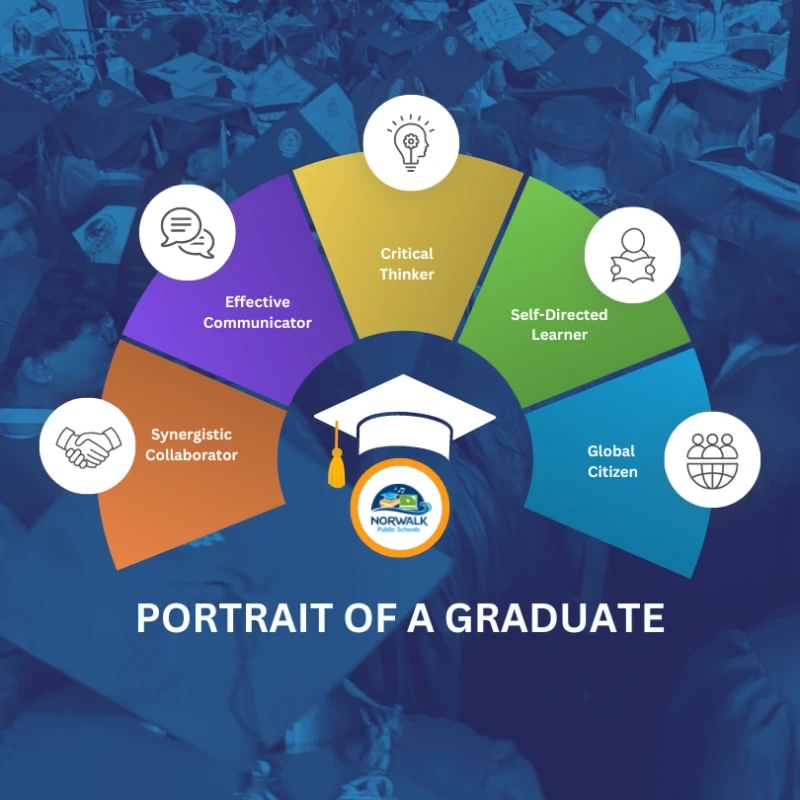
Our district took these steps to actualize our Portrait of a Graduate:
- Start with one competency
- Develop common tools
- Create opportunities for collective meaning making
One Competency: Critical Thinking
In collaboration with Digital Promise, our district selected critical thinking as our first competency and dedicated a full year to focus exclusively on this skill. Selecting just one competency was strategic. School districts often juggle competing priorities, and our district was no different. By choosing just one competency, we all could ensure that staff meetings, professional learning community meetings, and even school board meetings maintained clear direction. This focus also allowed us to intentionally create space for feedback and revision through staff and student focus groups and staff and family surveys to ensure that everyone had a voice in how the critical thinking roll-out was proceeding.
Common Tools
Critical thinking was an ideal starting point for building on existing work around developing rich student discourse, launching International Baccalaureate programs, writing new inquiry arcs in social studies, and training teachers on a math curriculum. However, we quickly realized that “critical thinking,” meant different things to different people. With support from Digital Promise, we created some essential common tools. These tools were available for teachers, coaches, and administrators so that everyone was clear on the expectations.
This included an:
- Indicator Map: serving as a reference point to assist teachers, coaches, and administrators to identify specific skills students should be practicing at different grade levels.
- Look-for Document: revised to help name what qualities to look for in lesson planning and instructional delivery to align with the critical thinking indicator map.
- Critical Thinking Professional Development Modules: including videos and slide decks so principals had common materials to share with their staff about how the district was defining critical thinking and how teachers could access materials to support their implementation of lessons incorporating critical thinking.
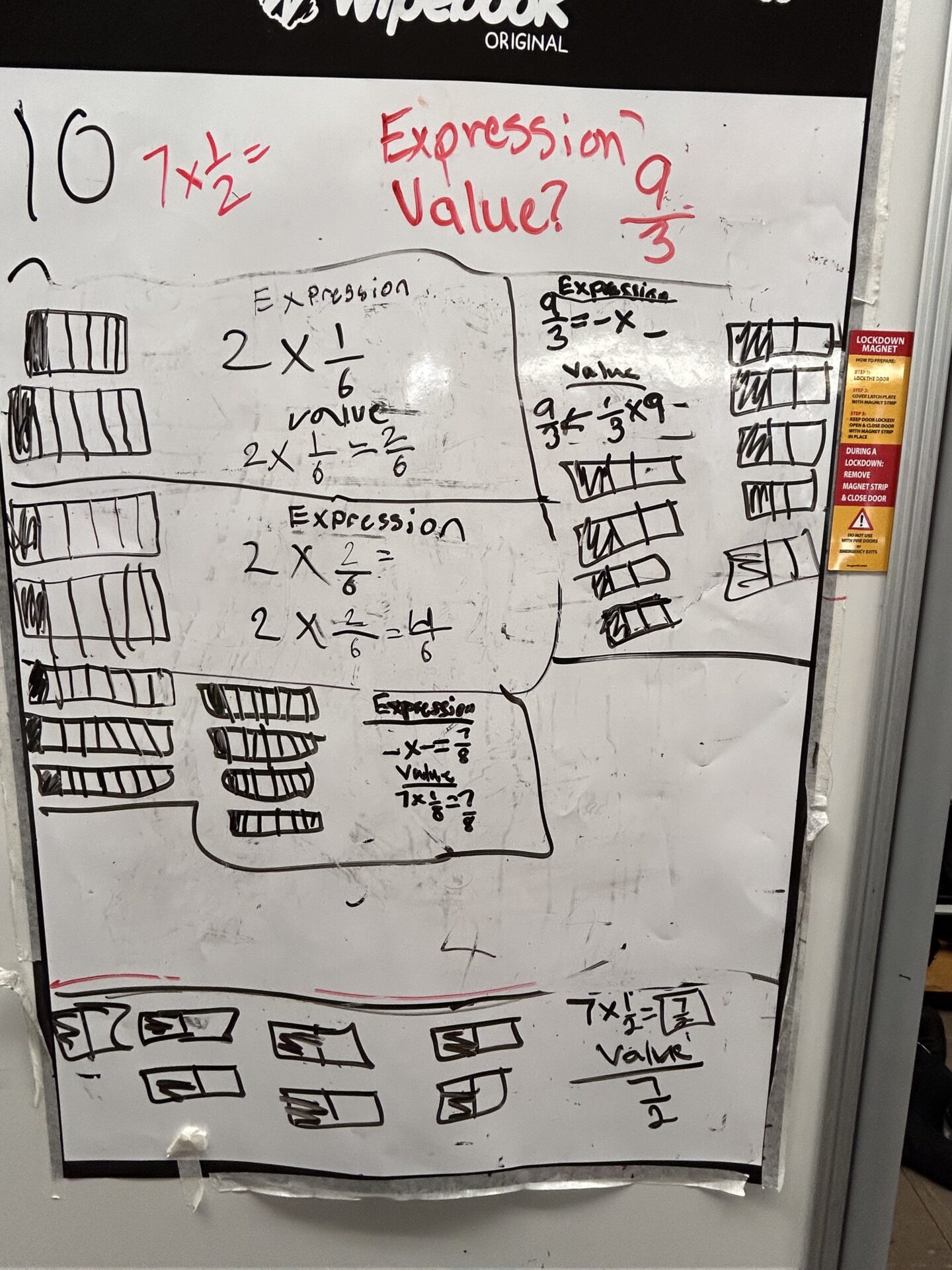
Some principals valued this process so much, they repeated it in their schools, leveraging the critical thinking indicator map to get even more granular by grade level. To establish vertical alignment, teachers from each grade level met with teachers in the grade above and the grade below and shared critical thinking look-fors. This ensured students had multiple, cumulative opportunities to build critical thinking skills, further clarifying expectations about what critical thinking looks like in each grade.
Next Steps
We still have a lot of work to do to ensure that all students have access to instruction that fosters the competencies we’ve outlined in our Portrait of a Graduate. Our intentional work with critical thinking helped us surface that fostering rich and meaningful student discourse would build on our critical thinking work and lead naturally into launching our second competency, effective communicator. In addition, this year we are beginning to consider how we will assess our students’ growth in these competencies. Starting with one competency at a time, developing common tools, and collective meaning making has set us up for a strong start to make our Portrait a part of our teaching and learning culture.
Is your district working to move your Portrait “from a poster to regular instructional practice”?
- Consider how you can provide focus by emphasizing one competency from your Portrait.
- Develop common tools to support the enactment of the Portrait.
- Provide opportunities for principals, coaches, teachers, and students to discuss what the competencies look like, sound like, and feel like when practiced in classrooms.
Want to know more about how Digital Promise can support actualizing your Portrait of a Graduate? Reach out here.
- Topics: Systems and Leadership , The Whole Learner
- Programs: Portrait of a Graduate