

Key Ideas
- Building awareness about neurodiversity is only the first step in neuro-inclusion; students also need the skills, confidence, and opportunities to take meaningful action as allies.
- Allyship is most powerful when it grows organically from curiosity, dialogue, and student-led initiatives that reflect genuine interests and lived experiences.
- When students have the autonomy to choose how they contribute, their commitment deepens. Inclusion initiatives are most powerful when they are led by students and rooted in their own interests, strengths, and creativity.
One in eight children in India are estimated to have a neurodevelopmental condition. Nonetheless, neuro-inclusivity remains an afterthought in many of our schools, workplaces, and communities. Awareness about neurodiversity is an essential starting point, but it is not enough. Real change calls for informed, active allies to engage meaningfully and take action.
Through our work over the past few years at the Sarvodya Collective, we have come to believe that one of the most powerful levers for long-term inclusion is a youth-led shift in social mindsets. Young people have the potential to influence cultures from the inside out, creating a ripple effect of change that extends beyond schools to influence how families talk and think about inclusion and how local communities and workplaces welcome neurodiversity.
The “Inclusive Duniya” Approach to Allyship
Our Inclusive Duniya Youth Allyship Programme (Duniya means “world” in Hindi) focuses on nurturing students as allies and takes them from awareness to meaningful, community-rooted action. We go beyond surface-level sensitization to actively developing allyship and empowering individuals to drive forward change.
Our experience and work with young people has shaped our understanding of how we can channel their energy, voice, and commitment to spark impact, starting with the spaces they already belong to.
We have found that youth allyship grows best in environments that give students a mix of structure and autonomy. Students choose how they want to step up for inclusion: through the articulation of changes they want to see in their school or the actions they wish to take. We then support their preferred form of allyship while making it happen.
Over the years, this allyship has taken many forms: students have led peer sensitisation in school through Inclusive Duniya Circles, sparked by observations of neurodivergent peers experiencing isolation during lunch breaks. Adolescents have facilitated SEL sessions in their neighbourhoods to seed an inclusive mindset in younger children. In recent months, students have been working on a range of ideas, including:
- a toolkit with resources for adults or peers to support adolescents with dyslexia;
- a sensory toolkit for caregivers of children with autism in underserved communities;
- a podcast amplifying neurodivergent youth voices; and
- a basketball program to make recreational sports more accessible for neurodivergent individuals.
Safe, Relatable Spaces Created for Students, by Students
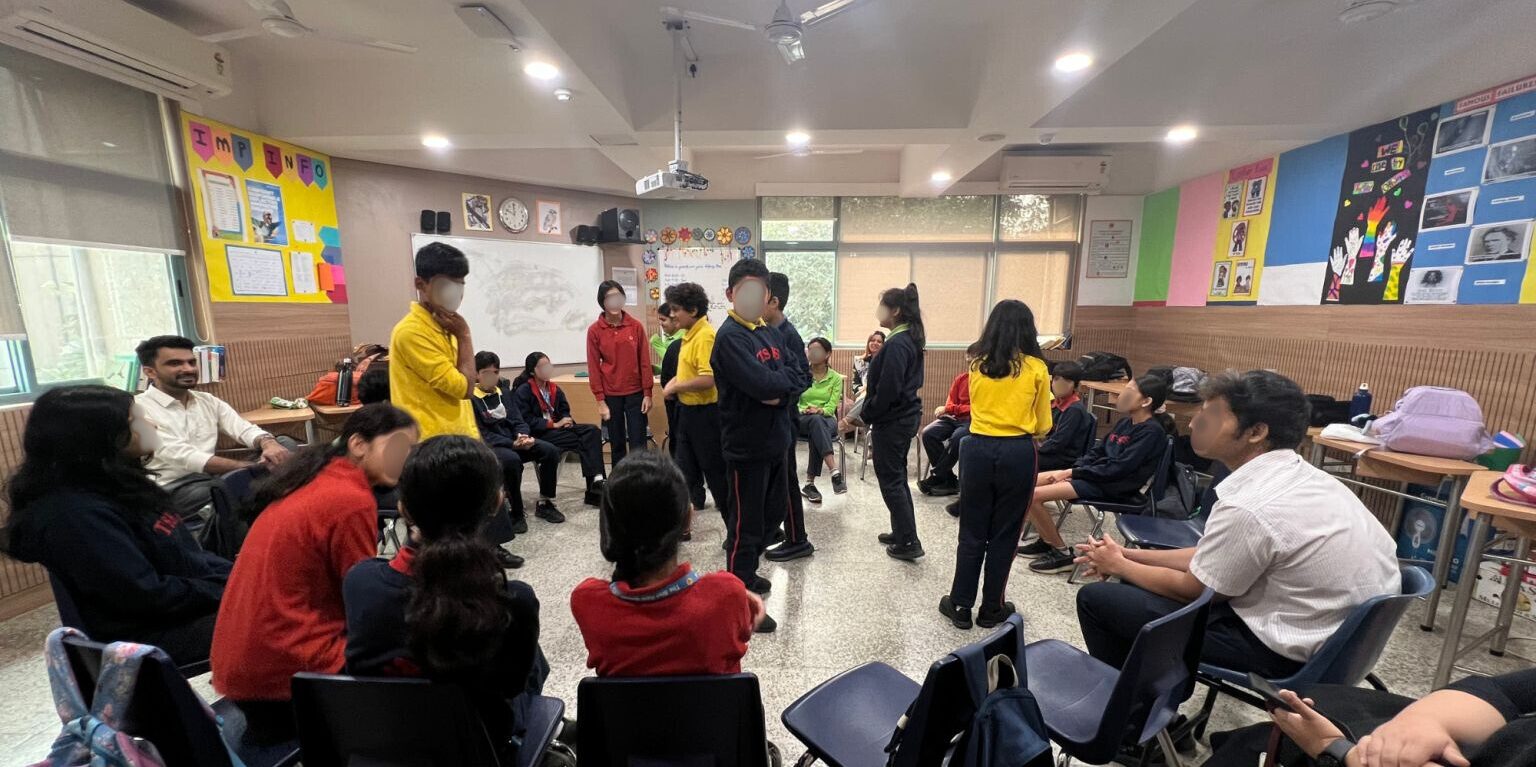
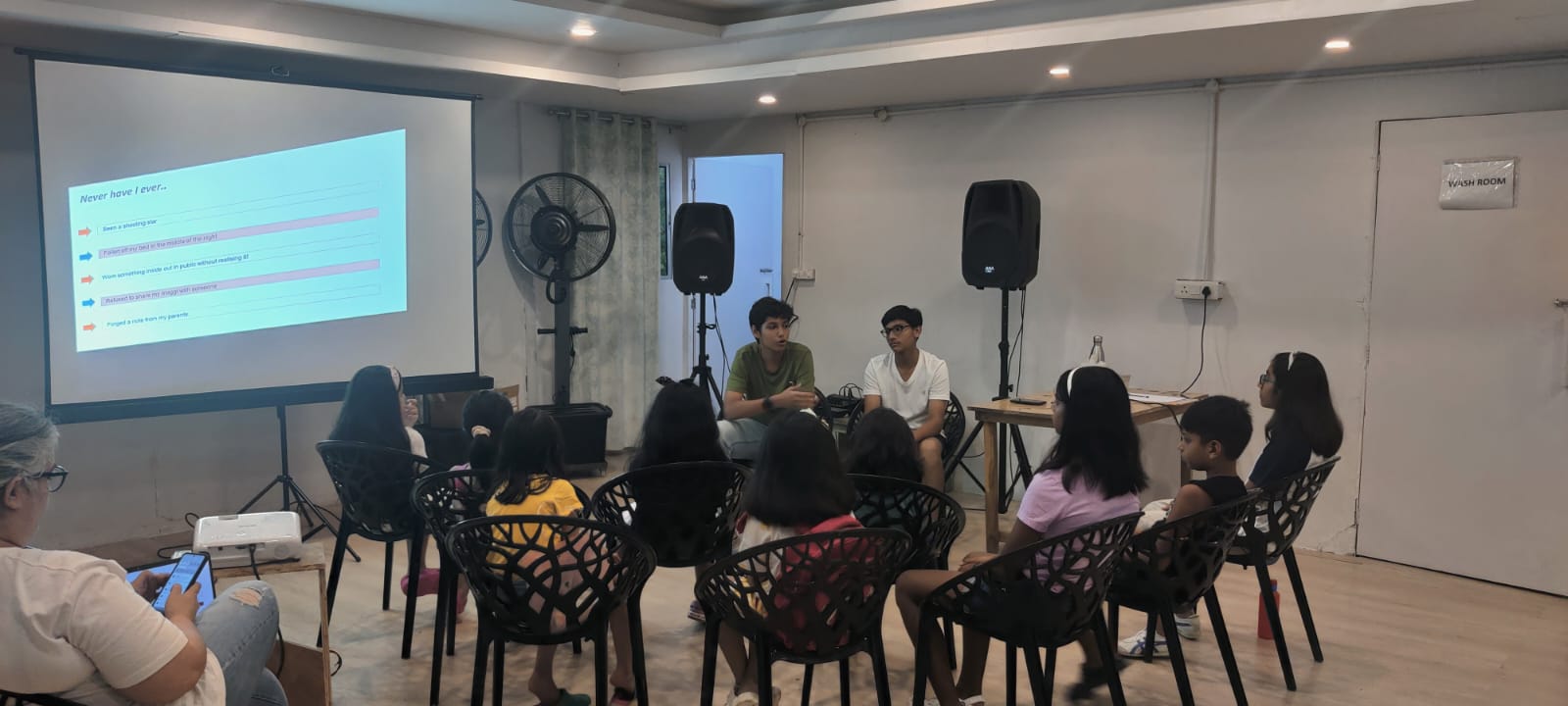
Our Inclusive Duniya Circles are light-hearted conversations where students feel comfortable sharing, questioning, and reflecting on personal experiences of inclusion and disability and diversity.
We empower young people to lead these Circles, encouraging them to actively and openly talk about the topic, challenge stereotypes, and share their own observations without fear of judgement. When these conversations are led by peers rather than authoritative figures, the power dynamics shift. There is more openness and the message is often better received.
One of the most [soundcite url=”http://digiprom.tealmedia.dev/wp-content/uploads/2026/02/audio-facilitation.mp3″ start=”0″ end=”62000″ plays=”1″ text=”important things”] we build into our facilitation design is creating spaces for vulnerability. Inclusive Duniya Circles are designed to be safe and respectful environments where students can share personal experiences of exclusion, belonging, or difference.” – Pooja Sharma
Connecting to Students’ Strengths and Interests
At the end of our Circles, we often ask, “How do you want to step up for an Inclusive Duniya?” With one of our programmes, SparkID, we use challenge-based learning to support student-led awareness and activism. The program gives students a hands-on opportunity to learn about social innovation while solving a real-world problem.
“[soundcite url=”http://digiprom.tealmedia.dev/wp-content/uploads/2026/02/audio-memory.mp3″ start=”0″ end=”59000″ plays=”1″ text=”Every circle”] is unique and each one leaves behind a few powerful moments of connection. One that stands out took place in a school where high school students were facilitating a circle with younger schoolmates… almost every student in the room shared experiences of feeling left out” – Pooja Sharma
During the Inclusive Duniya Song Project, students wrote, composed and produced a song entirely on their own, carefully writing lyrics which invited listeners to imagine a world where everyone feels like they belong while picking melodies that convey warmth. Students used their creative talents to make a gentle but compelling call to action for allyship.
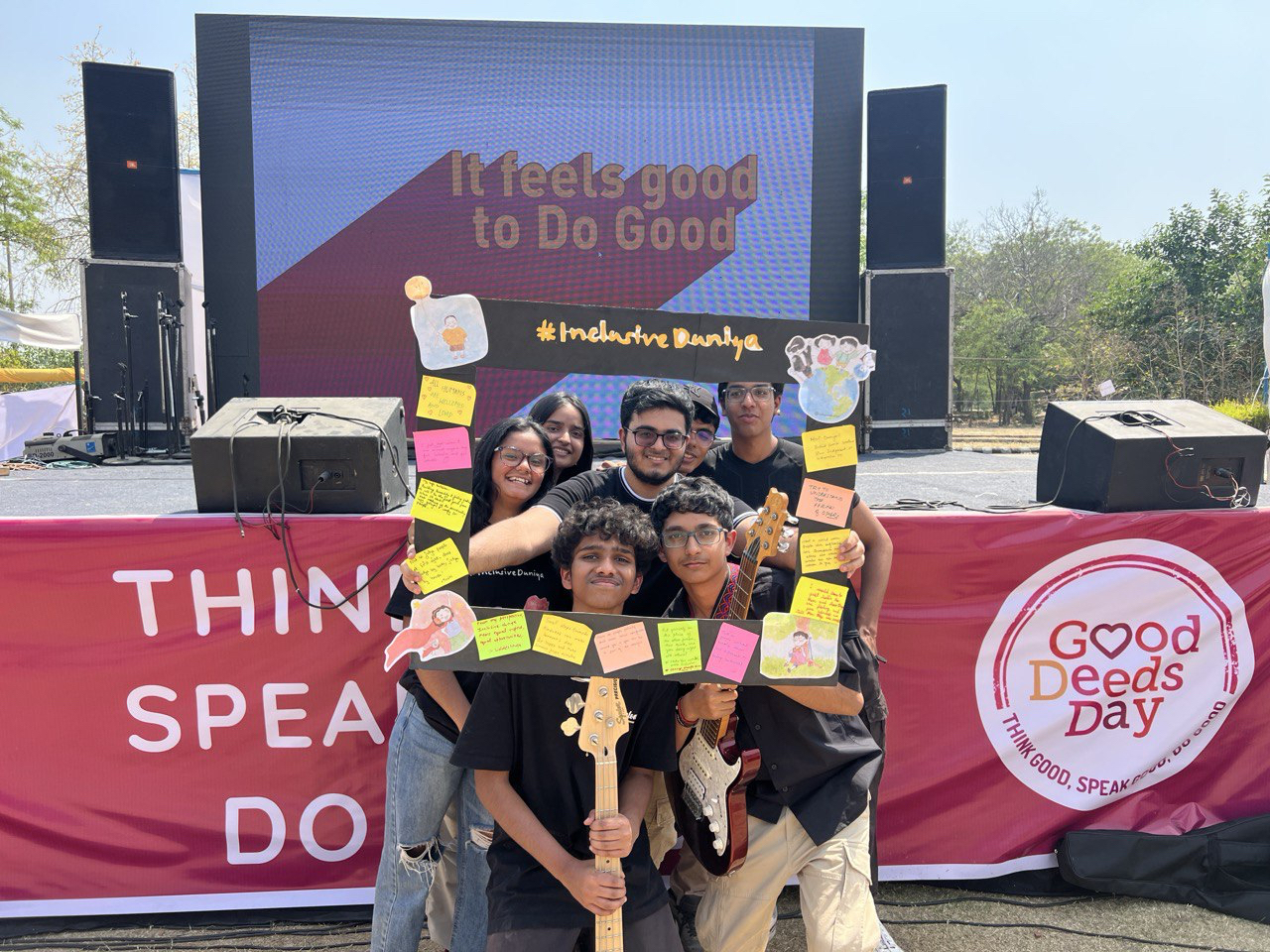
[soundcite url=”http://digiprom.tealmedia.dev/wp-content/uploads/2026/02/Duniya-Song-Project-audio-photocaption-2.mp3″ start=”0″ end=”44000″ plays=”1″ text=”Listen”] to Pooja Sharma describe their experience.
Helping students tap into their personal strengths and interests, whether in music, arts, sports or even advocacy, enables authentic engagement and contribution.
Aligning With Academic Opportunities
Linking allyship projects to existing school requirements—like CAS (Creativity, Activity, Service) projects in IB schools allows students to merge personal passion with academic commitments. This adds to students’ motivation, provides a formal recognition of their efforts, and encourages them to approach inclusion work with the same seriousness and commitment as other academic pursuits.
We’ve found what works for us is an approach that blends core knowledge and training (covering key concepts such as ableism and disability-friendly practices) with the freedom for students to shape their own contributions.
With the right support, this generation can become a driving force for equity and inclusion—not just in their schools, but in every space they move through in life. Let’s guide our young people to become allies who truly value and celebrate different ways of thinking and being, and who play their part in weaving informed, enabling and inclusive communities for all.
Showcase and Support Student Creativity and Innovation In Your Community
With the right support, this generation can become a driving force for equity and inclusion—not just in their schools, but in every space they move through in life. Let’s guide our young people to become allies who truly value and celebrate different ways of thinking and being, and who play their part in weaving informed, enabling and inclusive communities for all.
Learn more about the Ciena Solutions Challenge
- Get inspired by the Inclusive Duniya Song Project and other student projects in the Ciena Solutions Challenge Project Gallery.
- Register for the Ciena Solutions Challenge: Through March 5, 2026, educators can submit student projects and apply for a $3,000 Sustainability Award.
- Have questions? Email us at cienachallenge@digitalpromise.org.
- Topics: Pathways and Economic Mobility
- Learning Environments: K-12
- Audiences: Educators , Learners , Schools and Systems Leaders
- Offerings: Global Networks and Convenings
- Programs: Global Education , YouthMADE Festival